

Women Bridging Tradition and Science to Protect the Earth
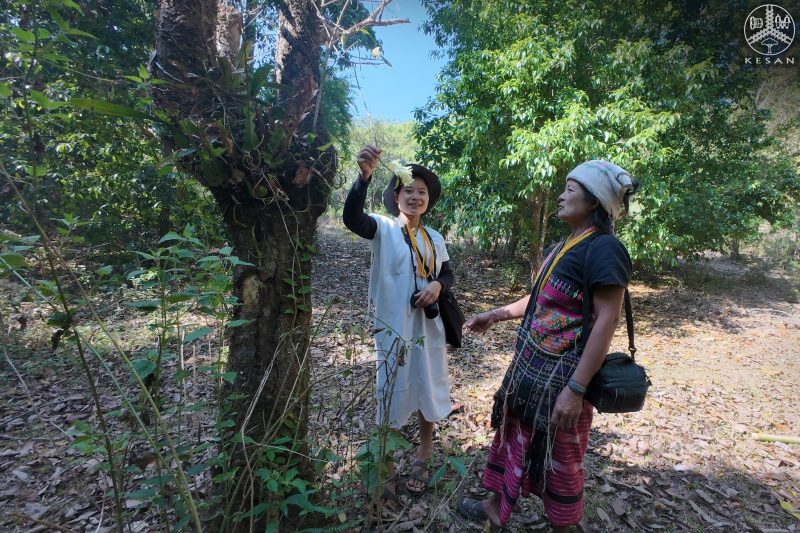
“To drink the water is to protect the water; to live on the land is to protect the land.” Guided by this traditional Karen proverb, a group of women is working to safeguard the forests and natural environment of Karen State through knowledge, dedication and community-based action.
In a region shaped by decades of armed conflict and overlapping military control, an indigenous Karen women’s organisation has quietly emerged as a key force for environmental conservation. Despite living amid insecurity and displacement, the women continue to carry out research and conservation work aimed at protecting their ancestral lands.
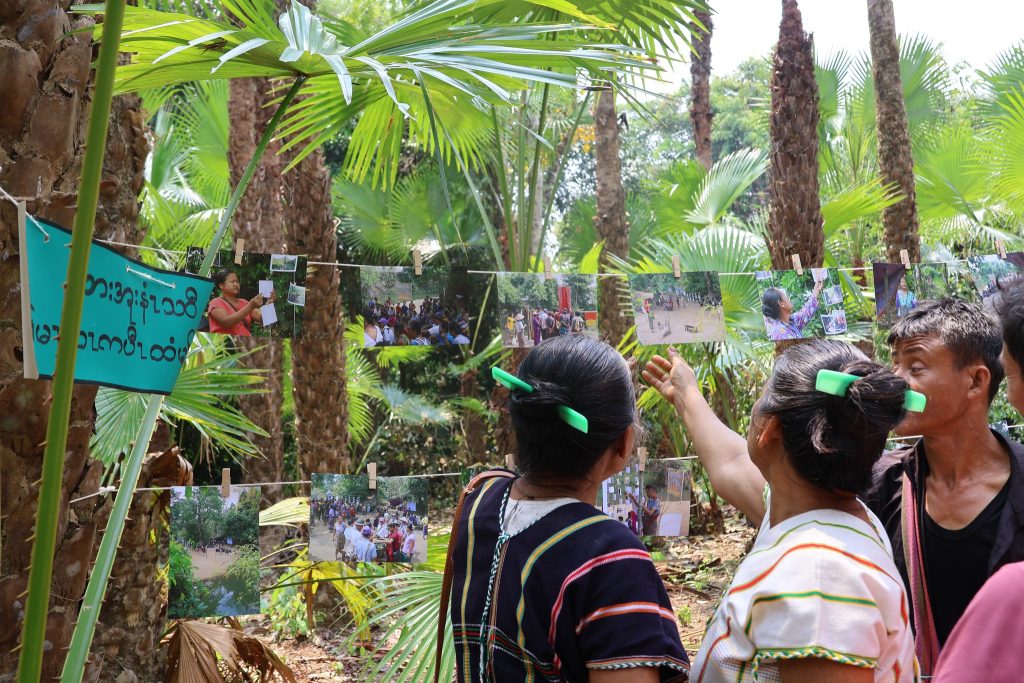
The group, known as the Women’s Research Group (WRG), is based in the Salween Peace Park in Mutraw District, under the Karen National Union’s Brigade 5 area in Karen State.
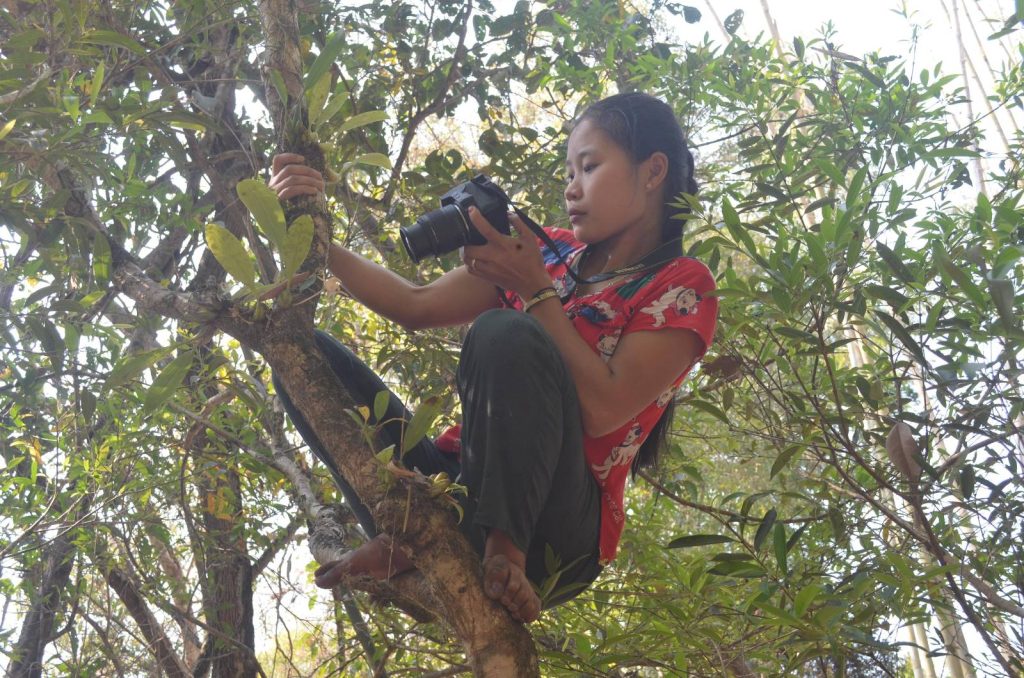
Amid the ongoing Karen revolution and persistent fighting, the women have taken on the role of “knowledge keepers”, documenting biodiversity and environmental change by combining traditional ecological knowledge passed down through generations with modern scientific methods.
With nearly a decade of experience, WRG has built a strong record of achievement. The group has published research papers and books and has helped document numerous new and endangered species in the region.
“Our main dream is to live peacefully with nature, free from war and conflict,” said Ma Mu Mu, a spokesperson for WRG. “We want animals and people to live safely in our forests without fear of being killed or displaced, and with our indigenous traditions fully respected. That is why we do this work.”
She said the group demonstrates that Karen women are not passive observers, but active stewards of the natural world — serving as guardians of ancestral knowledge, field researchers and frontline conservation leaders.
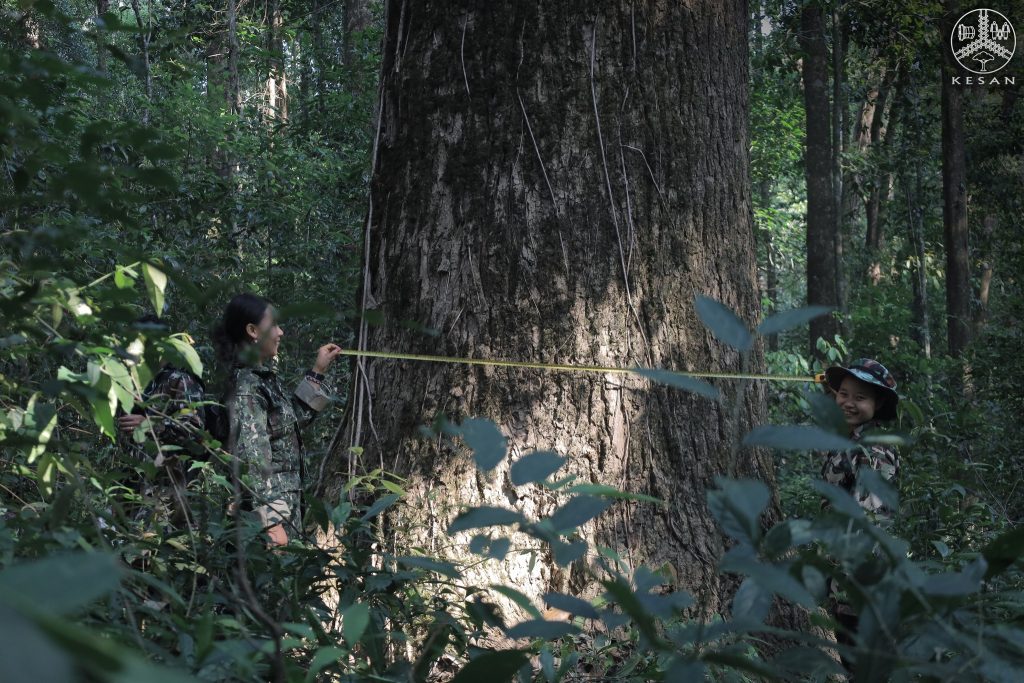
WRG began with just two members and has since grown to five permanent staff. The women come from different villages and family backgrounds, bringing diverse skills and perspectives.
“One person may lead fish research, while another focuses on birds or other areas,” Ma Mu Mu explained.
In traditional Karen society, women are closely connected to plants, medicinal herbs and natural resources used for family livelihoods and healthcare. This has enabled WRG to successfully bridge indigenous knowledge with scientific research methods, strengthening community-led conservation efforts.
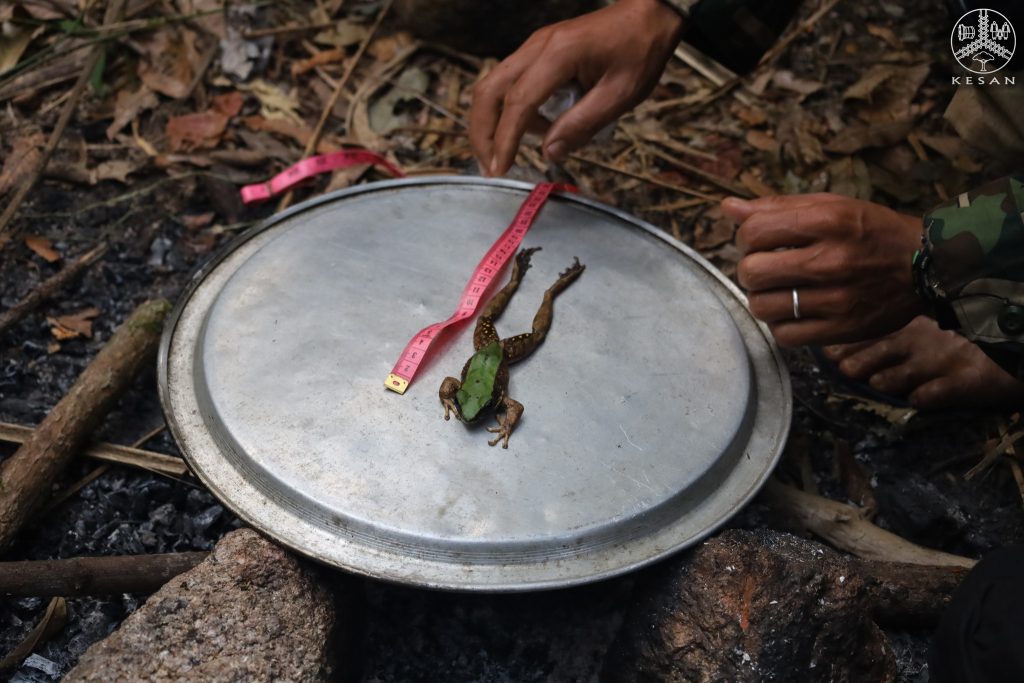
Women’s Research Group Amid the Military Coup
Before the military coup, the Women’s Research Group (WRG) was able to carry out regular field research and organise in-person training sessions in villages with relative freedom. The group could invite young women from neighbouring communities to participate and travel without serious concerns for their safety. WRG also collaborated openly with other women’s groups and partner organisations, sharing research findings and exchanging knowledge.
Since the coup, however, the situation has changed dramatically. The political and security crisis has severely disrupted the group’s work. Before conducting any research activities, WRG members now have to consult the Karen National Union’s Forest Department (KFD) and local authorities to assess security risks for women researchers. They must also coordinate closely with local communities and rely on residents who are familiar with the terrain to support their fieldwork.
Despite these challenges, women and community members trained by WRG in different villages have become symbols of resilience. They continue to protect forests and biodiversity, carrying on research activities even under difficult and dangerous conditions.
“The biggest change after the coup is that research has become more localised and community-led,” said Ma Mu Mu, a spokesperson for WRG. “At a time when many of us cannot collect data ourselves, local people now play a leading role. They carry cameras and notebooks wherever they go. When they find something new or unusual — whether it is an animal or a plant that is not yet in our records — they take photos and write notes.”
She said this grassroots approach has helped ensure that environmental monitoring and conservation efforts continue, even as conflict and instability reshape daily life in Karen State.
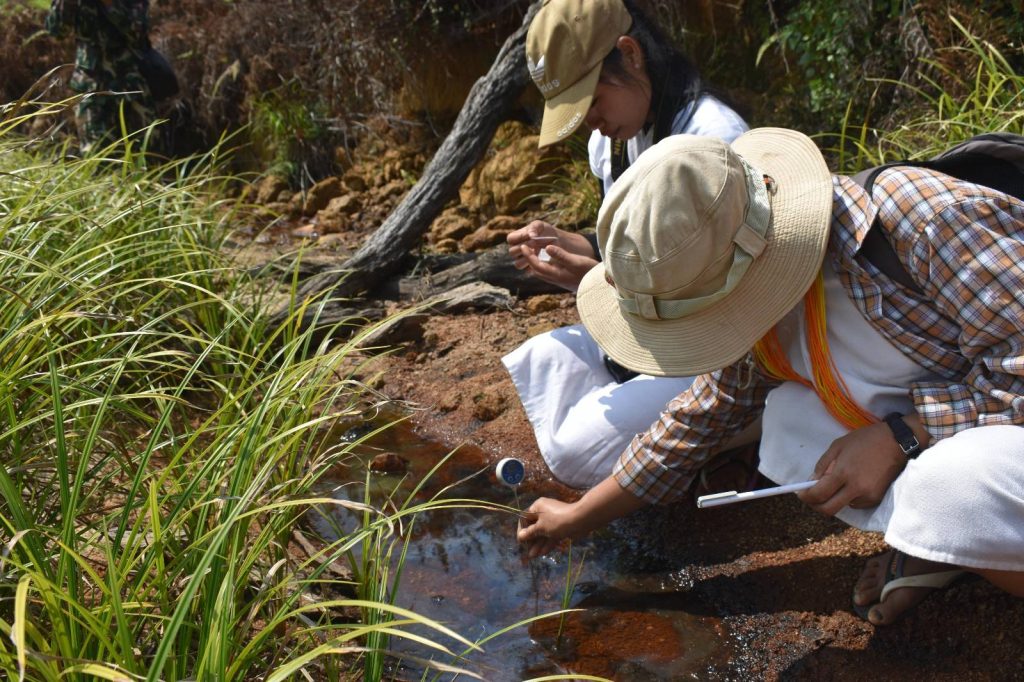
WRG’s Key Milestones
In recent years, the WRG has published a series of research papers and books on orchids, fish and mushroom species found in the Salween Peace Park. Early next year, the group plans to release another research book focusing on traditional medicinal plants.
During an orchid survey conducted in the Kasawther and Thawthi Pworghaw community forests in Mutraw (Hpapun) District, WRG documented 121 orchid species from 37 genera. Among them was Paphiopedilum villosum — locally known as Phaw Nar Dae — which is classified as “Vulnerable” on the IUCN Red List and is banned from commercial trade. In addition, 94 orchid species recorded in the study are listed under CITES Appendix II, which regulates international trade.
In its mushroom research, WRG identified 160 species and recorded a further 28 that could not yet be classified. The study found that 98 species are consumed by local communities, six are used both as food and medicine, 20 are used solely for traditional medicine, and one species is known to cause fire. Although 21 species are not consumed, they were included for scientific documentation.
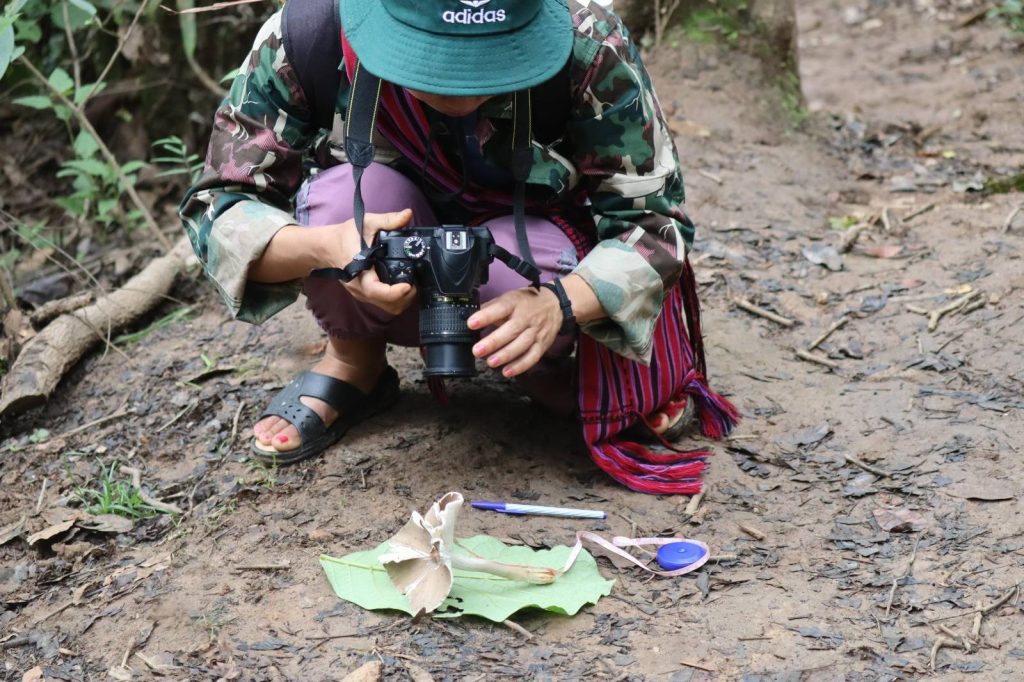
Over the years, WRG has carried out many other long-term research projects, some requiring year-round fieldwork across multiple seasons before findings can be verified and published. Several studies have identified rare plant and animal species that require protection under the IUCN Red List.
The group also provides environmental education to local communities, working with the KNU’s Forestry and Animal Husbandry departments to raise awareness of culturally significant species and traditional conservation practices. Further training programmes are planned.
“Even while fleeing after our homes were burned, we continued to combine science with traditional knowledge. That is our success,” said Saw Mu Shwe, Coordinator of the Wildlife and Biodiversity Conservation Programme at the Karen Environmental and Social Action Network (KESAN).
Based on WRG’s findings, several forest areas have since been designated as community-protected zones in cooperation with the KNU and local residents, helping to strengthen conservation management and regulations.
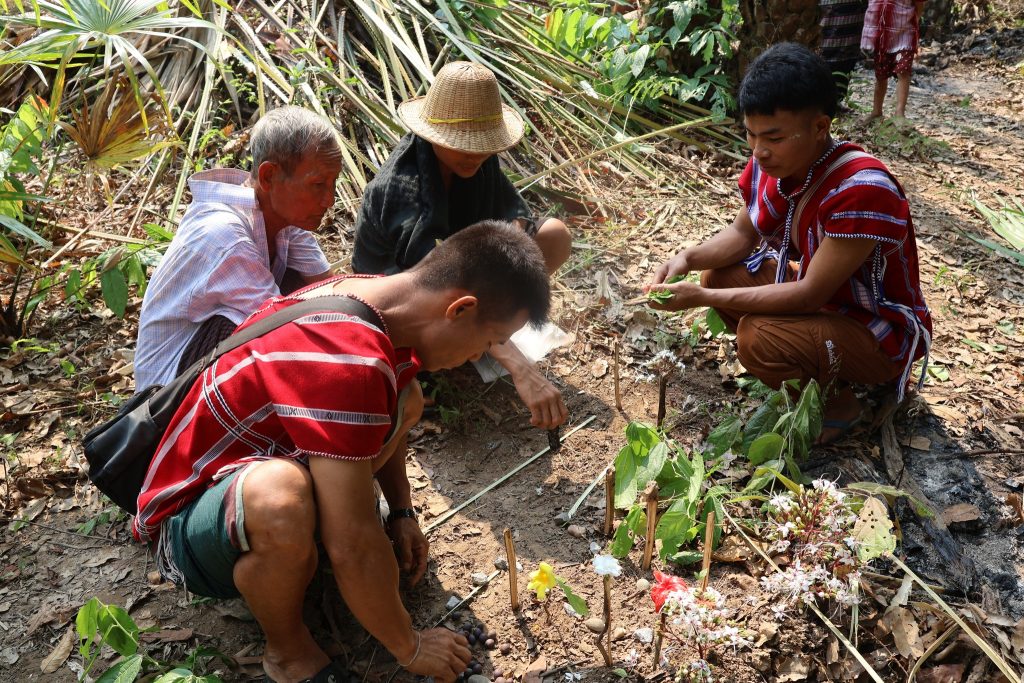
WRG’s work not only supports present-day conservation efforts but also prepares indigenous communities for natural resource management in a future federal democracy.
At the sixth Salween Peace Park General Assembly this year, the park’s governing committee chairman, Saw Paul Sein Twa, said local communities would exercise self-determination on their ancestral lands rather than waiting for recognition from Nay Pyi Taw.
“The public’s perception has changed significantly since WRG emerged,” Ma Mu Mu said. “People outside the community are now paying attention to how these women organise and conduct their research.”
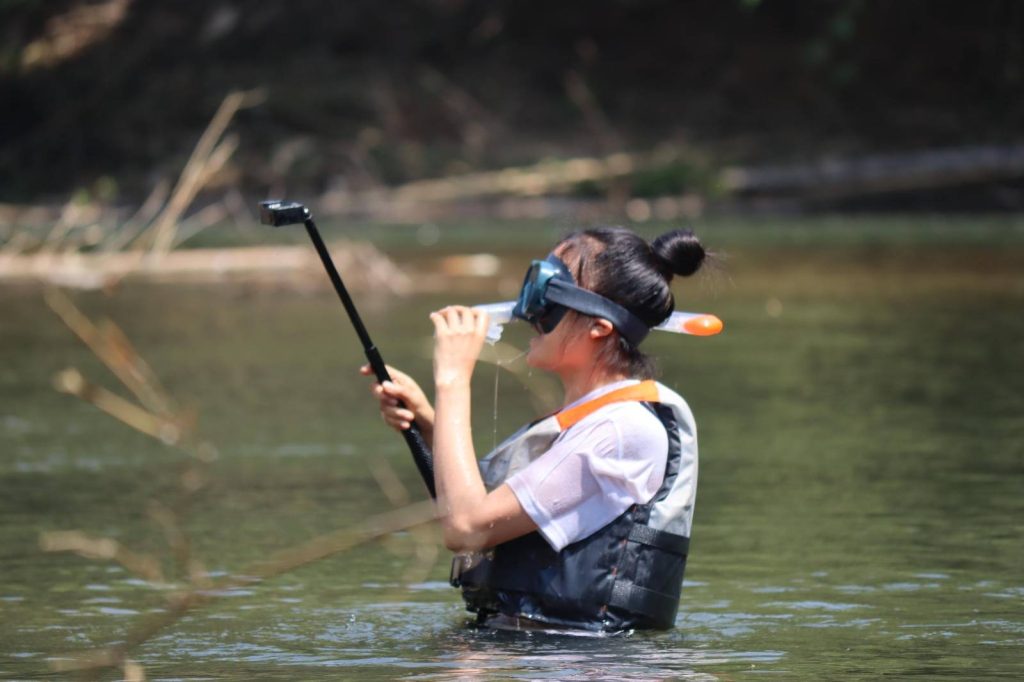
The Road Ahead and Continuing Challenges
Security remains the WRG’s greatest challenge, making the safety of its members the top priority. Ongoing military clashes, troop movements and periodic displacement have placed WRG researchers in constant danger.
Some members have also had to pause their fieldwork because of family responsibilities, pregnancy or the need to care for elderly parents. While these situations can delay research and require project extensions, the group has continued its work through strong cooperation and trust between team members and local communities.
WRG addresses these obstacles by supporting one another during difficult periods and by investing in capacity-building opportunities. Despite facing shortages of resources and technical equipment, the group has sought solutions through partnerships with domestic and international experts, universities and environmental organisations.
Across Myanmar, where armed resistance has intensified since the coup, illegal logging remains widespread, including in Karen State. “We try to maintain control where we can, but we cannot protect every area,” said Saw Mu Shwe of the Karen Environmental and Social Action Network (KESAN).
Looking ahead, WRG envisions a future in which Karen women and girls take leading roles in biodiversity conservation. The group also hopes women’s voices will be heard by community leaders, men and decision-makers, ensuring meaningful participation in discussions and local governance.
“Our main dream is to live peacefully with nature, free from war and conflict,” Ma Mu Mu said. “A world like that would be truly beautiful.”
Photo – Karen Environmental and Social Action Network
“This story was supported by Internews’ Earth Journalism Network”