

Rising Abductions, Kidnappings and Human Trafficking in the Rohingya Refugee Camps: Addressing the Root Causes, Not Just the Symptoms
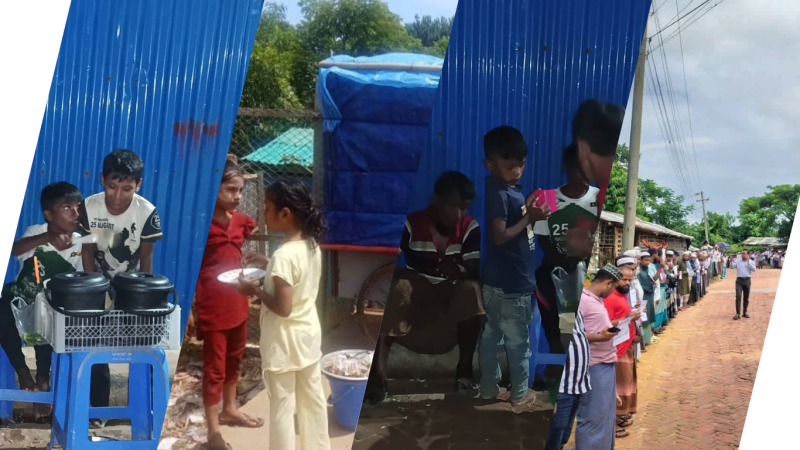
For nearly a decade, the Rohingya refugee camps in Cox’s Bazar have stood as a symbol of one of the world’s largest and most protracted humanitarian crises. While humanitarian assistance has saved countless lives, a growing security crisis now threatens the safety and future of the refugee community. Increasing incidents of kidnapping, child abduction, human trafficking, drug-related crime, extortion and dangerous sea migration have created an atmosphere of fear among nearly one million Rohingya refugees.
Although these crimes require strong law enforcement responses, they should not be viewed merely as isolated criminal acts. They are symptoms of deeper structural challenges—including prolonged displacement, limited livelihood opportunities, restrictions on freedom of movement, shrinking hope for repatriation, and the continued persecution of Rohingya in Myanmar.
Continued Persecution in Myanmar Drives Desperate Decisions
One of the major drivers of human trafficking remains the ongoing insecurity in Myanmar’s Rakhine State.
Many Rohingya continue to flee reports of violence, forced labour, torture, movement restrictions and forced recruitment by armed actors, including allegations involving the Arakan Army, as well as continued discrimination by local authorities and communities. With no meaningful protection or future inside Myanmar, many refugees see no alternative but to undertake dangerous sea journeys toward Malaysia, Indonesia and other countries.
These journeys are often organised by transnational smuggling and trafficking networks using overcrowded wooden fishing boats that are unfit for long-distance travel. Every year, many boats capsize during storms, claiming hundreds of lives. Despite knowing these dangers, many refugees continue to take the risk because they believe remaining where they are offers little hope for the future.
Limited Livelihood Opportunities Increase Vulnerability
Inside the refugee camps, economic opportunities remain extremely limited.
A small number of Rohingya work as volunteers or incentive workers for humanitarian organisations, generally receiving between BDT 8,000 and BDT 13,000 per month. However, these opportunities are insufficient compared to the rapidly growing population of educated and skilled young refugees.
At the same time, restrictions on freedom of movement prevent refugees from seeking employment outside the camps. As a result, thousands of capable young men and women remain unemployed despite possessing valuable skills and education.
Long-term unemployment, combined with uncertainty and frustration, has created conditions in which organised criminal networks can more easily recruit vulnerable youth.
Criminal Networks Are Exploiting a Generation
Community leaders increasingly warn that organised criminal groups are exploiting unemployed and vulnerable young people.
Some youths are recruited into armed groups operating within parts of the camps, while others become involved in robbery, extortion and violent crime. Local sources also report that some recruits are under the age of 18, highlighting the growing vulnerability of children and adolescents.
Another emerging concern is online gambling. Community members report that some young people become trapped in gambling addiction, accumulate debts and subsequently turn to theft, robbery or other criminal activities in an attempt to recover financial losses. In many cases, these individuals become increasingly disconnected from their families, teachers and community leaders.
Drug Trafficking and the Influence of Organised Crime
Drug trafficking has become another serious challenge affecting camp security.
According to community members, influential yaba trafficking networks continue to recruit vulnerable young refugees as couriers, lookouts and patrol members. These criminal organisations allegedly exploit poverty, unemployment and desperation to expand their operations.
Within the refugee community, some residents refer to particularly influential traffickers as the “King of the Camp”, reflecting the perception that these figures exercise significant influence through fear, money and organised criminal networks.
Many community members argue that stronger action is needed against the leaders of these criminal organisations. Rather than allowing influential traffickers to continue operating with impunity, they believe law enforcement authorities should prioritise dismantling organised criminal networks through thorough investigations, prosecution and accountability under the law.
Kidnapping and Human Trafficking Continue to Increase
Kidnapping for ransom has become one of the most alarming crimes affecting the camps.
Victims include children, women and adult men. Families frequently receive videos, photographs or voice recordings demanding large sums of money for the victim’s release. Those unable to pay sometimes face prolonged captivity, severe violence or, in reported cases, death.
Human trafficking networks continue to exploit the desperation of refugees by promising employment or safe passage abroad before placing them on dangerous migration routes.
According to community reports and humanitarian monitoring, hundreds of kidnapping incidents have occurred in recent years, many involving children. At the same time, international organisations have estimated that more than 1,000 Rohingya have died at sea in recent years while attempting dangerous maritime journeys, illustrating the devastating human cost of irregular migration.
These crimes have deeply affected the psychological wellbeing of refugee families and weakened social cohesion throughout the camps.
Why Durable Solutions Matter
Humanitarian agencies and the United Nations have repeatedly stated that voluntary, safe, dignified and sustainable repatriation cannot occur until conditions in Myanmar improve significantly.
As long as refugees remain unable to return safely, prolonged displacement will continue to create economic hardship, frustration and opportunities for criminal exploitation.
Without addressing the underlying causes of displacement, security challenges inside the camps are likely to persist.
Recommendations for a Comprehensive Response
Addressing this growing crisis requires more than emergency responses. It demands coordinated action involving the Government of Bangladesh, humanitarian organisations, international partners and the refugee community.
First, livelihood opportunities should be expanded within the framework established by the Government of Bangladesh. Humanitarian agencies and development partners could establish small-scale production facilities or workshops inside the camps to manufacture items needed for daily humanitarian operations—such as clothing, furniture, hygiene products and other approved goods. Such initiatives could provide thousands of refugees with meaningful employment while reducing dependence on humanitarian assistance.
Second, greater investment should be directed towards education, vocational training, digital skills, entrepreneurship and youth leadership programmes to provide constructive alternatives to criminal recruitment.
Third, stronger action is needed against organised criminal groups involved in kidnapping, drug trafficking, extortion and human trafficking. Investigations should focus not only on lower-level participants but also on those directing and financing these criminal networks, ensuring that perpetrators are held accountable through the justice system.
Fourth, humanitarian agencies working in protection and case management should strengthen community-based protection mechanisms. Many refugees believe that existing systems primarily document incidents without sufficient follow-up. A dedicated camp-based mechanism—such as a “Rohingya Daily Struggles Fact-Finding Mission”—could improve the rapid verification of incidents, documentation of evidence, victim support and coordination with the relevant Bangladeshi authorities.
For example, in kidnapping cases where perpetrators send videos, photographs or voice recordings while demanding ransom, available digital evidence should be preserved and promptly shared with the competent law enforcement authorities. Using lawful digital forensic techniques and telecommunications investigations, authorities may be able to trace the origin of communications, identify criminal networks and rescue victims more quickly. Humanitarian organisations would support documentation, victim protection and referrals, while criminal investigations would remain the responsibility of the appropriate government authorities.
Finally, stronger cooperation among refugee community leaders, humanitarian agencies, law enforcement institutions and international partners is essential to restore trust, improve security and protect vulnerable families.
Conclusion
The rise in abductions, kidnappings, human trafficking and organised crime inside the Rohingya refugee camps is not simply a policing issue. It reflects the consequences of prolonged displacement, economic exclusion, limited opportunities and the absence of durable solutions.
While criminals must be held accountable, lasting security cannot be achieved through arrests alone. Expanding livelihoods, protecting children and youth, dismantling organised criminal networks, strengthening protection mechanisms and advancing conditions for the safe, voluntary and dignified return of Rohingya to Myanmar are all essential components of a sustainable response.
The international community cannot afford to view these incidents as isolated crimes. They are warning signs of a humanitarian crisis becoming increasingly complex. Addressing the root causes—not only the symptoms—is essential to preventing further loss of life, restoring hope among the Rohingya community and ensuring that refugee camps remain places of protection rather than environments where organised crime can flourish.
About Writer Bio
Ro Maung Shwe – A Rohingya Human Rights Defender | Writer | Journalist | Community Advocate | Political Analyst
Note: This Article written based on camp based analysis so people are not agree to mention their name