

The Hidden Poison of the Ayeyarwady Delta
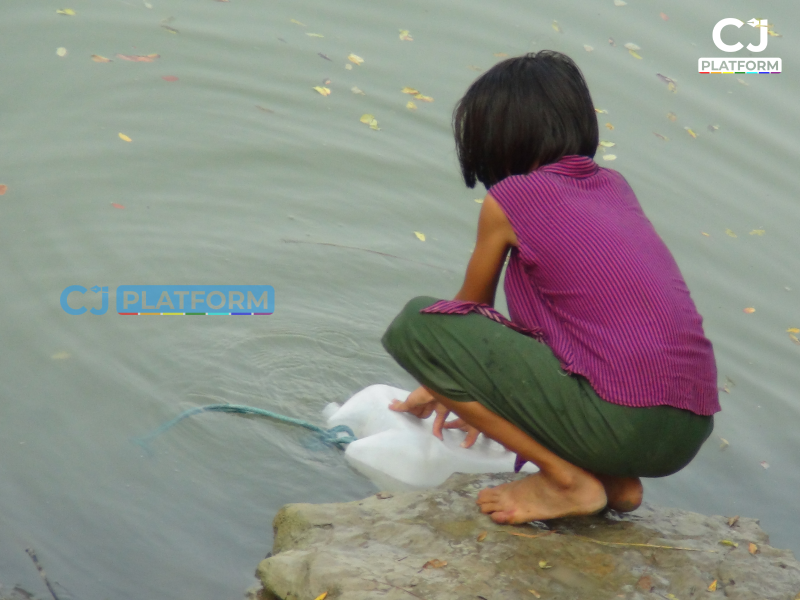
If you look at the map of Myanmar, you will see the great Ayeyarwady River flowing steadily from the foothills of the Himalayas to the Andaman Sea, much like the main artery of a human body. In particular, the Ayeyarwady Delta often referred to as ‘Myanmar’s Rice Bowl’ is a land that millions of people call home and depend on for their livelihoods. However, behind those lush green fields and golden harvests, a dangerous poison now lurks, threatening the local communities. It is a toxin that is slowly but surely seeping into our vital water resources.
Although the Ayeyarwady Region is a land naturally gifted with an abundance of rivers, creeks, lakes, and ponds, it is increasingly becoming a place where access to clean water is a major challenge. Due to rising sea levels, saltwater intrusion is encroaching upon the southern parts of the region. Meanwhile, in the upper areas, groundwater is contaminated with arsenic. Furthermore, the discharge of chemical fertilizers, pesticides, and plastic waste from agricultural activities is causing toxic pollution across the region’s vital waterways and lakes.
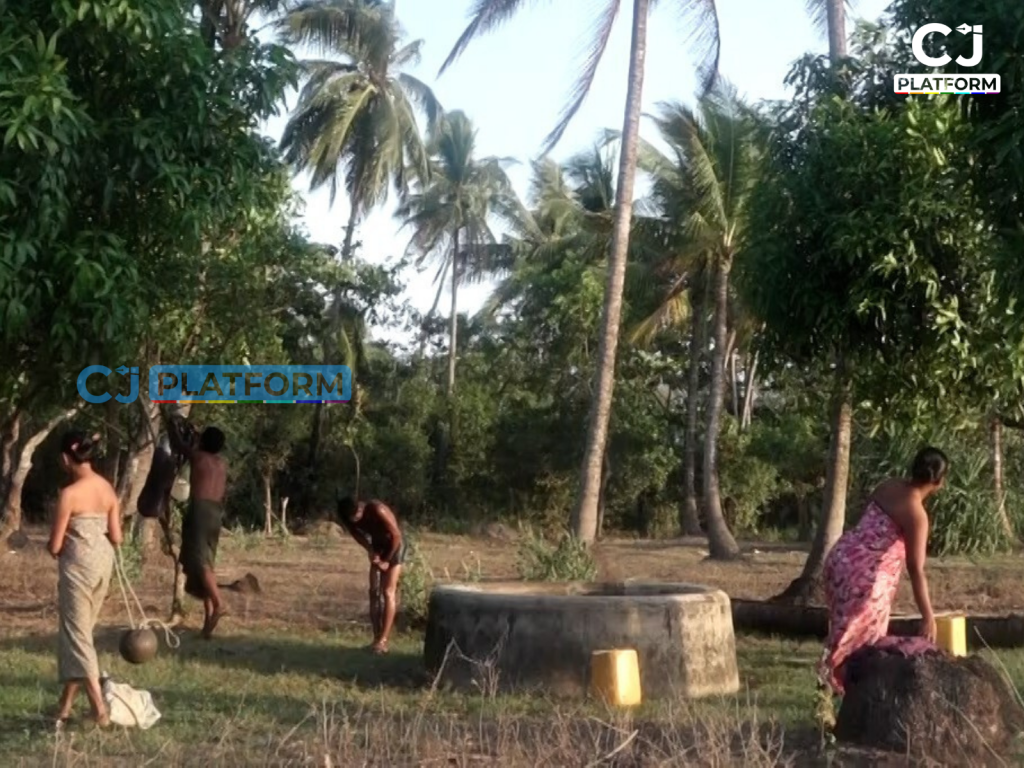
Most areas in the Ayeyarwady Region still lack access to municipal water supply systems that distribute clean, purified water. Treated water systems are currently being implemented only in urban centers like Pyapon and Pathein. Consequently, the majority of the population remains heavily dependent on surface and groundwater sources.
“While we use bottled purified water for drinking, we use our own tube-well for household needs,” a Pathein local said, acknowledging that the well water’s safety and chemical composition remain untested.
A latest study from the University of Portsmouth (UK) indicates that arsenic levels in about 71% of the nearly 124,000 wells tested in the Ayeyarwady Delta are above the World Health Organization (WHO) safety limits.
In particular, the townships of Kyonpyaw, Kyaunggon, Thabaung, Pantanaw, Hinthada, and Zalun are the areas at highest risk of arsenic contamination. Long-term consumption of arsenic-laced water first manifests as ‘raindrop pigmentation’ (skin discoloration resembling raindrops) and ‘hyperkeratosis’ (thickening of the skin on the palms and soles). This can progress to severe conditions such as lung, liver, bladder, and skin cancers diseases with the power to completely devastate a family’s socio-economic life.
A research paper by May Thant Sin Win from the Department of Economics, Yangon University of Economics, highlights that in Kyonpyaw Township, a mere 2% of households have formally tested their water sources for arsenic, whereas 94.5% have never had their water checked.
While arsenic contamination in the Ayeyarwady Region occurs naturally due to geological sedimentation, research reports warn of increasing levels of anthropogenic (human-caused) toxic pollution throughout the region’s waterways.
A doctoral thesis from Kyushu University researcher Nan Cherry Lwin highlights improper agricultural practices such as water waste, the use of untreated runoff, and the overuse of chemicals that are polluting the river system. The study warns of serious pollution levels in the drainage canals and estuaries of the Ayeyarwady basin.
Based on 2014 water samples, the study ‘ASSESSMENT ON THE WATER QUALITY AT THE MOUTH OF PATHEIN RIVER, AYEYARWADY REGION, MYANMAR’ reveals that lead, cadmium, phosphate, and COD values are above safety limits. It concludes that the water is unsuitable for drinking without proper treatment.
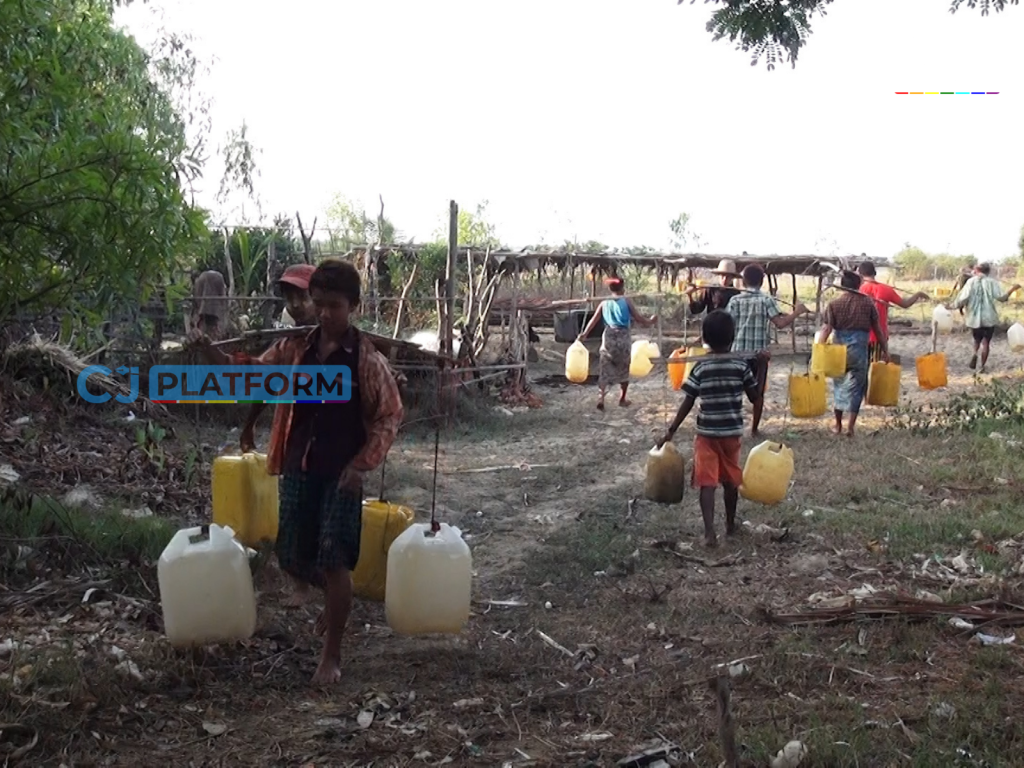
According to the study, the application of Rock Phosphate fertilizer in agriculture across the Pathein River estuary is likely the main factor driving the concentration of toxic heavy metals, like lead and cadmium, beyond permissible limits in the aquatic environment.
Additionally, according to a 2025 report from Myanmar Resource Watch, concentrations of lead, manganese, and mercury in the river water near Danubyu and Nyaungdon are exceeding safety standards.”
According to Ko Naing, an agricultural expert in Ayeyarwady, urea (Pearl fertilizer) was once the primary choice. However, Rock Phosphate has become increasingly common after being illegally imported and sold under fake ‘Three Circles’ branding.
“It is used as a base fertilizer before planting and once more during the tillering stage; for paddy, it’s typically applied twice,” he explained. “Most of the fields in Ayeyarwady are contiguous. As water is irrigated into one field and drained from another, the runoff from fields near the river flows directly into the river. Furthermore, substances like phosphorus do not simply dissolve or break down within a single year.”
Local communities lack awareness regarding the presence of dangerous chemicals in the water sources they use, both from above-ground and underground channels.
Ko Phyo, a resident of Nyaungdon, said, ‘I haven’t really heard much about it in such a major way,’ when asked about the dangerous chemicals in the river.
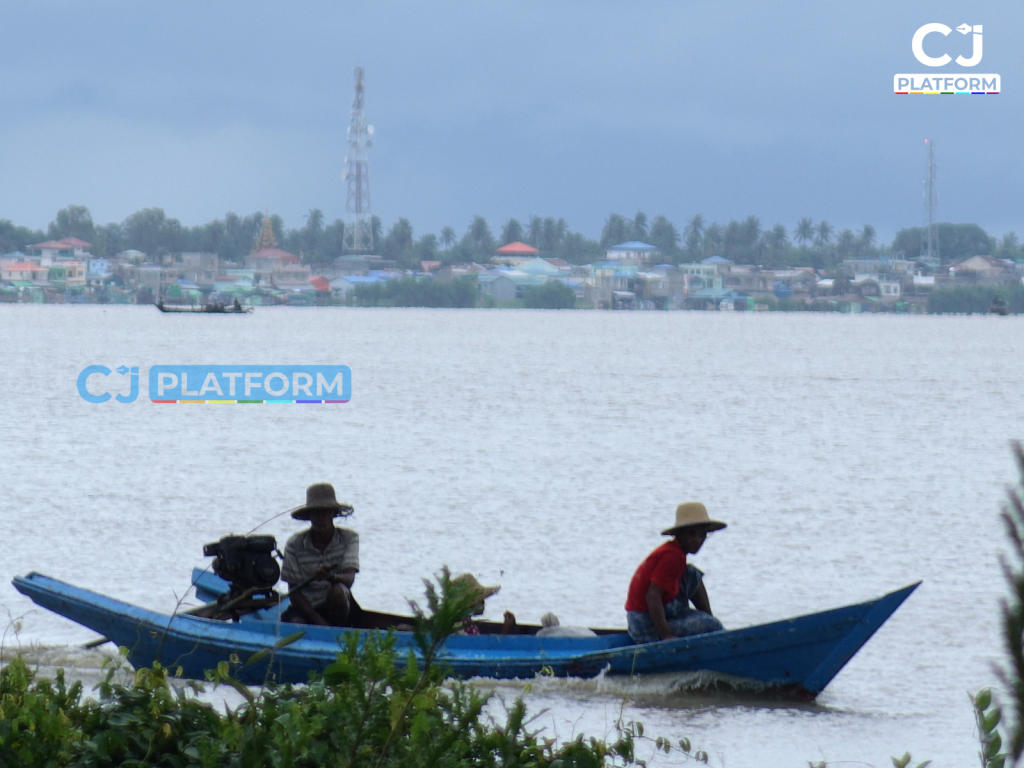
According to him, townspeople in Nyaungdon mainly purchase bottled water for drinking purposes, while using a combination of government-supplied water, tube wells, river water, and rainwater for their daily household needs.
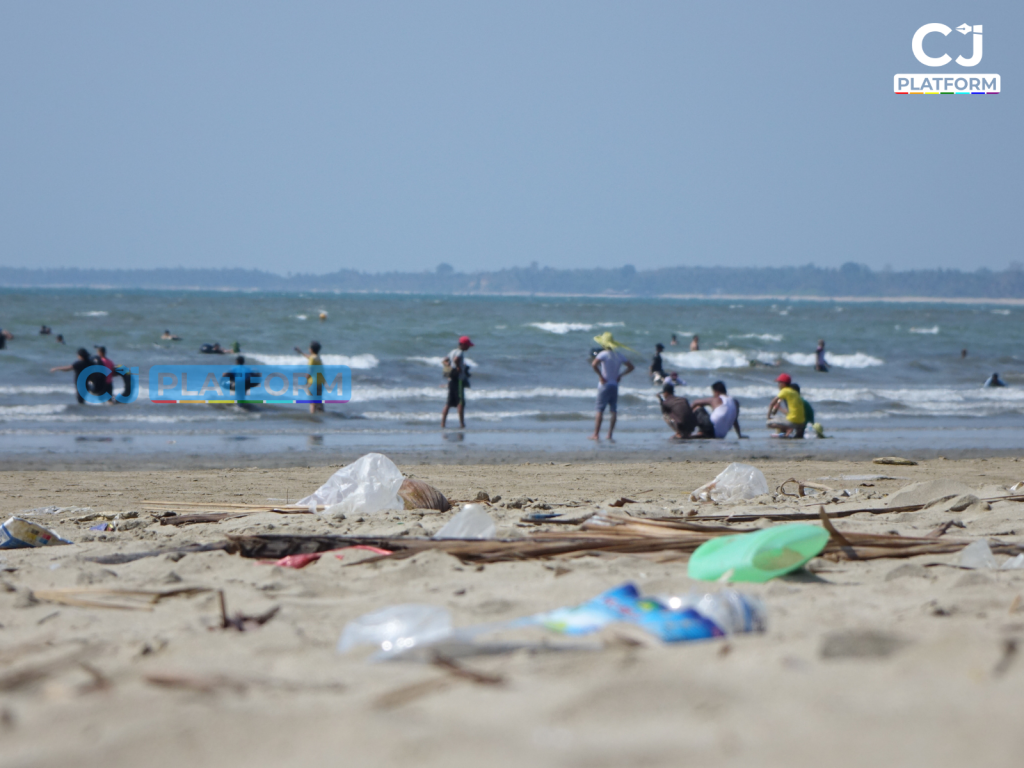
Beyond agricultural chemicals and pesticides, the surge in plastic waste is significantly contributing to the rapid degradation of water quality. The Ayeyarwady River is currently recognized as one of the 20 most plastic-polluted rivers globally, carrying vast amounts of plastic waste into the sea.
According to research conducted in 2019 by Fauna and Flora International (FFI) in collaboration with Thant Myanmar, nearly 120 tons of plastic waste are leaked into the Ayeyarwady River daily due to indiscriminate disposal. The Ayeyarwady Delta has been identified as the region with the highest discharge rate, contributing roughly 32 tons of plastic to the river each day.
Additionally, a joint study by Pathein University, Kumamoto University, and the ASEAN-Japan Centre reveals that plastic debris density ranges from 4 to 9 items per square meter in the coastal areas of Pathein, Chaungtha, and Ngayokaung, as documented in their research on marine plastic pollution.
Because these plastics are non-biodegradable, they gradually fragment into minute particles called microplastics. Measuring less than 5mm in size, these particles contaminate water and food sources, potentially causing adverse effects on human health.
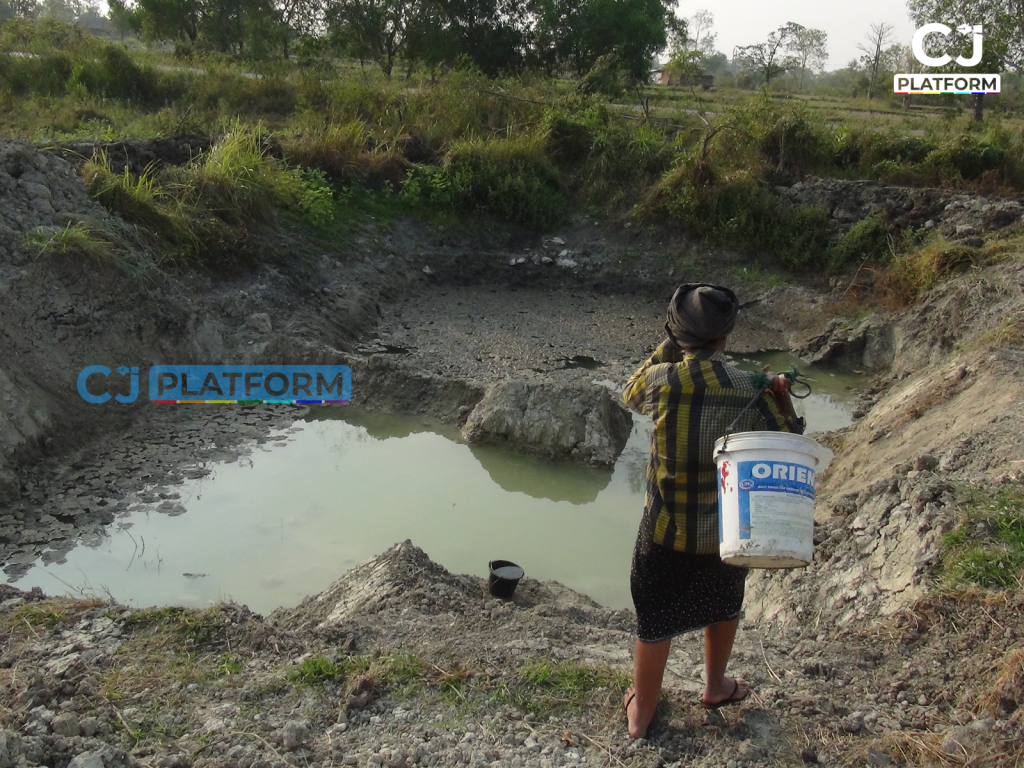
Because waterborne toxins lead to chronic rather than acute health issues, the long-term risks often go unnoticed by the general public. Nevertheless, studies indicate that the consumption of contaminated water is resulting in a high prevalence of severe chronic diseases.
A research survey by May Thant Sin Win from the Yangon University of Economics reveals that 96% of households in Kyonpyaw Township are struggling with chronic diseases. Arsenic poisoning has severely impacted the local economy, causing lost wages and high medical bills for 94% of families, while forcing members of 85.5% of households to take time off from work or school.
Considering the evidence above, it is clear that water pollution in the Ayeyarwady Region is on the rise, severely impacting both the public health and the socio-economic well-being of local communities. Due to a significant lack of awareness programs, residents still do not realize what dangerous contaminants are present in their water sources, nor do they understand how to mitigate these life-threatening risks.
We must unite today to restore our river to its pristine, poison-free state. For every drop of clean water is a heartbeat for the generations to come.