

Yangon on High Fire Alert: Why “Apartment Culture” and Weather Data Matter Now
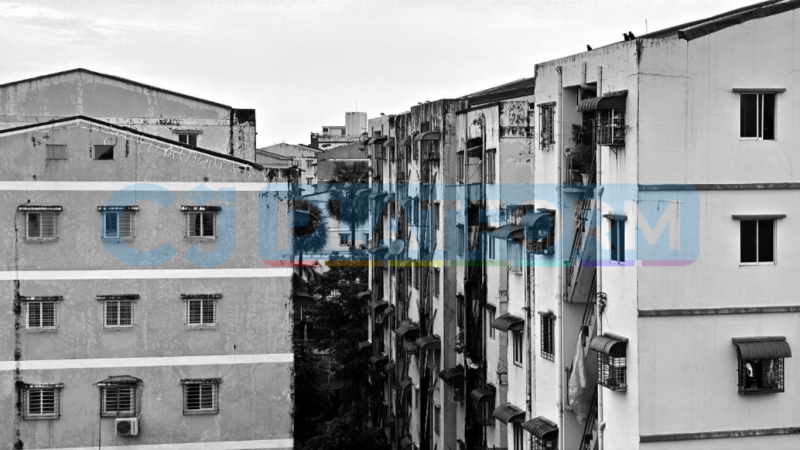
From a sociological perspective, apartment living is a “melting pot of diversity.” On the floor above, a child may be practicing the piano, while below, a night-shift worker struggles to sleep. Your neighbor might be a street vendor, while the person across the hall is a performing artist. In this collection of different backgrounds, religions, and socioeconomic statuses, “Apartment Culture” must transcend written rules to become a practiced social ethic.
For urban dwellers, a home is expected to be a sanctuary after a long day of struggle. However, in a system separated only by thin walls, a neighbor’s loud music, midnight shouting, or untimely renovations can easily invade another’s privacy. Here, empathy becomes more vital than any formal regulation.
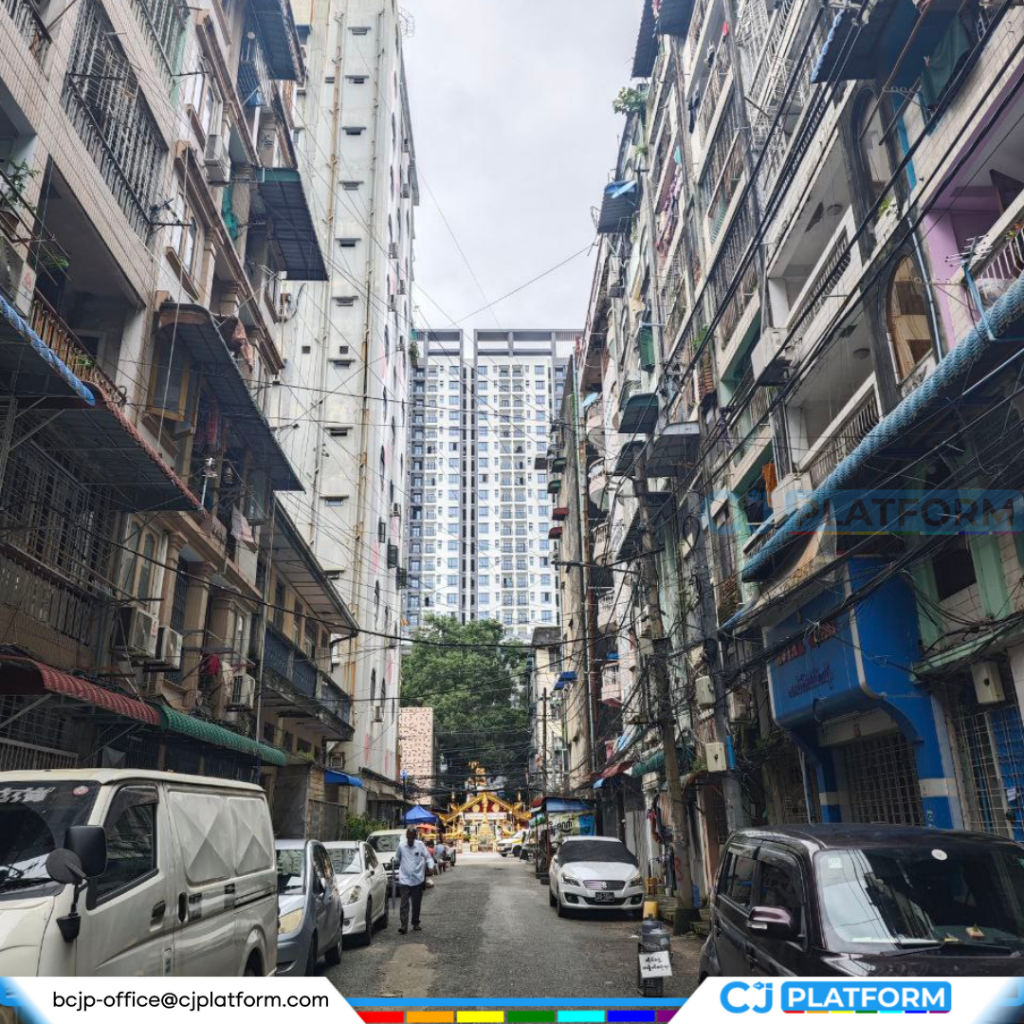
While residents only own or rent the area inside their walls, common spaces—stairwells, balconies, and rooftops—are frequently misused. Piling up shoe racks, trash cans, and old furniture in stairwells does more than just create a foul odor; it narrows vital escape routes.
“Some residents use the small size of their units as an excuse to dump old cupboards and trash bins in the stairwells,” said Daw Hla Hla Win, an apartment committee member. “Not only does the trash smell, but it blocks the path for everyone if a fire breaks out. Throwing trash or pouring water from balconies also remains a constant source of conflict between neighbors.”
The most lethal threat in an apartment complex is fire. A blaze in one unit can easily spread to the entire building. “In an apartment, if one home burns, everyone loses. Piling items in the stairwell is like digging your own grave,” warned U Aung Kyaw, a retired firefighter. “In apartment culture, fire safety is an act of love for your neighbors and a way to protect your own life.”
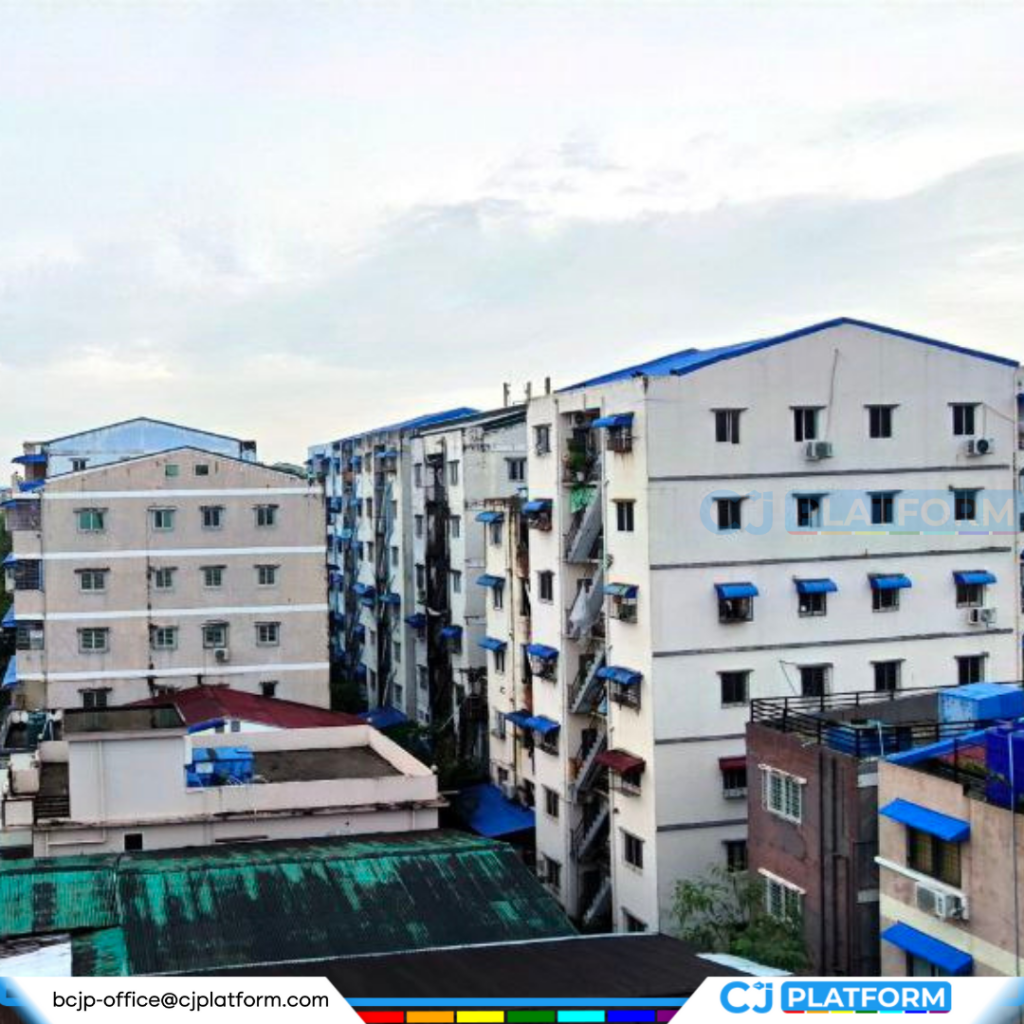
Current weather conditions in densely populated Yangon are significantly heightening this risk. According to the Fire Index, in a typical 10-day period, Yangon now faces “Very High” risk for six days and “High” risk for the remaining four.
The moisture level of potential fuels—such as old cardboard, wood, and debris—in the city has plummeted to between 7% and 9%. At this level, a single spark can ignite a massive blaze. Furthermore, afternoon humidity levels have dropped to 20%, leaving the air extremely dry.
Wind conditions add another layer of danger. While average speeds are 4 to 5 mph, gusts can reach up to 15 mph. Such gusts can turn a small room fire into an uncontrollable disaster for an entire block within minutes.
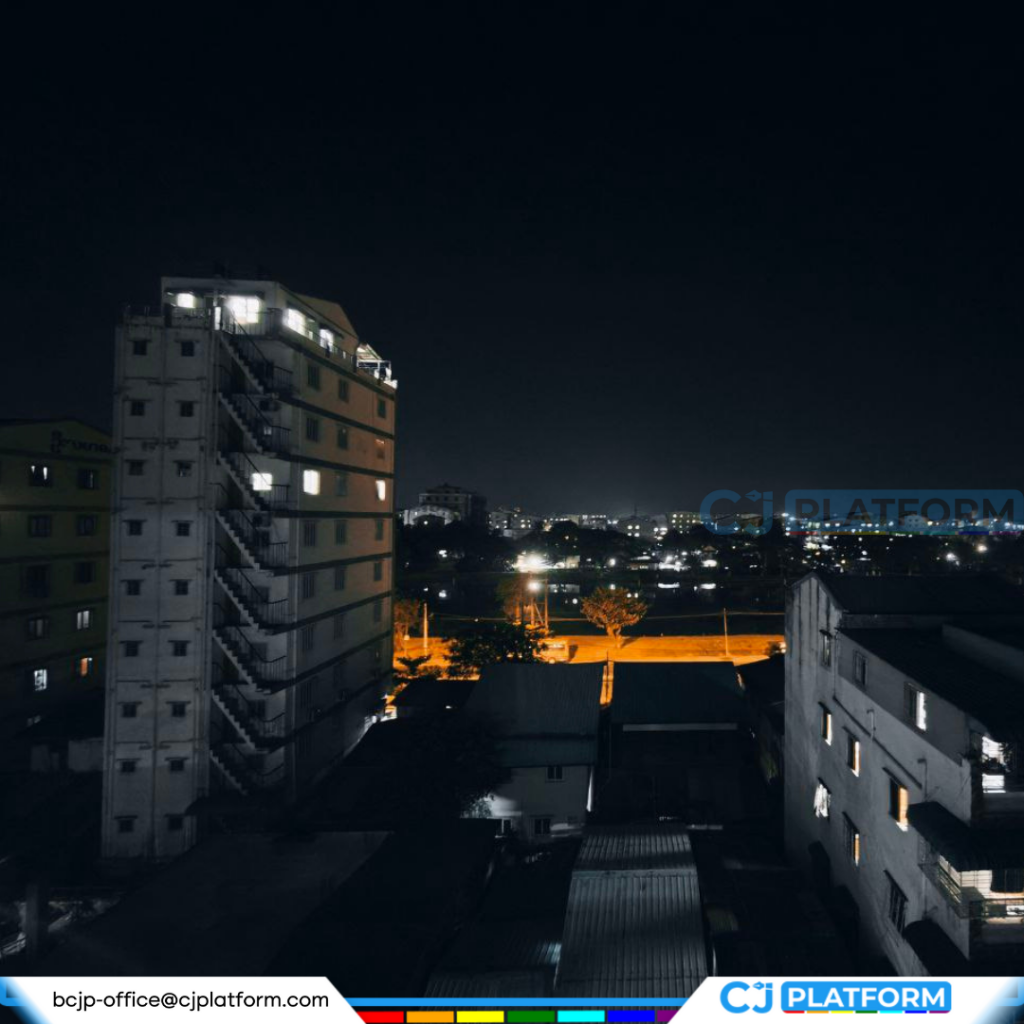
Temperatures in Yangon have remained between 30°C and 34°C since January, with the “real feel” temperature reaching as high as 38°C. This heat forces residents to run fans and air conditioners at high speeds for long durations, increasing the risk of mechanical overheating and electrical short circuits. In older buildings, aging wiring may not be robust enough to handle the current heat-induced electrical load.
During this period of extreme dryness and heat, citizens are urged to check their electrical appliances systematically, unplug devices when not in use, and ensure all embers and candles are fully extinguished. Fire safety is not just a personal choice; it is a collective responsibility to protect the lives and homes of the entire community.